Technician at a VR headset in a low-light workshop, warm rim light.
Learn

Training people finish, remember, and use on the job

We design immersive learning around the moments that matter in your operation: the high-stakes task, the rare scenario, the standard that has to hold across every site. Built for retention, confidence, and proof.

The challenge

When training doesn't stick, it isn't a learning problem. It's a design problem

The format usually gets the blame. In our experience the real issue is design: training built around the content, not around the person who has to use it on the day it matters.

Why it fails

Passive content is forgotten quickly, completed reluctantly, and rarely connects to the job in front of someone. People click through it. Nothing changes on site.

Where we start

With the moment of use: the person, the task, and the decision they'll have to make on their own. Practice that feels real builds confidence that lasts, and behaviour that shows up when it counts.

How we work

From first conversation to a programme your team is using

Five passes from first conversation to a programme your team is using.

Discover

We sit with your training lead, and with the people who'll actually use it.

Define

We agree what changed behaviour looks like, and how we'll both know.

Design

A storyboard or 3D blockout you can react to in a meeting.

Develop

We build in passes. Story first, fidelity later.

Deliver

We ship, we measure, we tune. The dashboard is yours from day one.

What we make

Built for the brief, not from a template

Nothing here comes off a shelf. Each of these started as someone's specific problem, and compliance, audit records, and completion tracking are built into whichever shape the work takes.
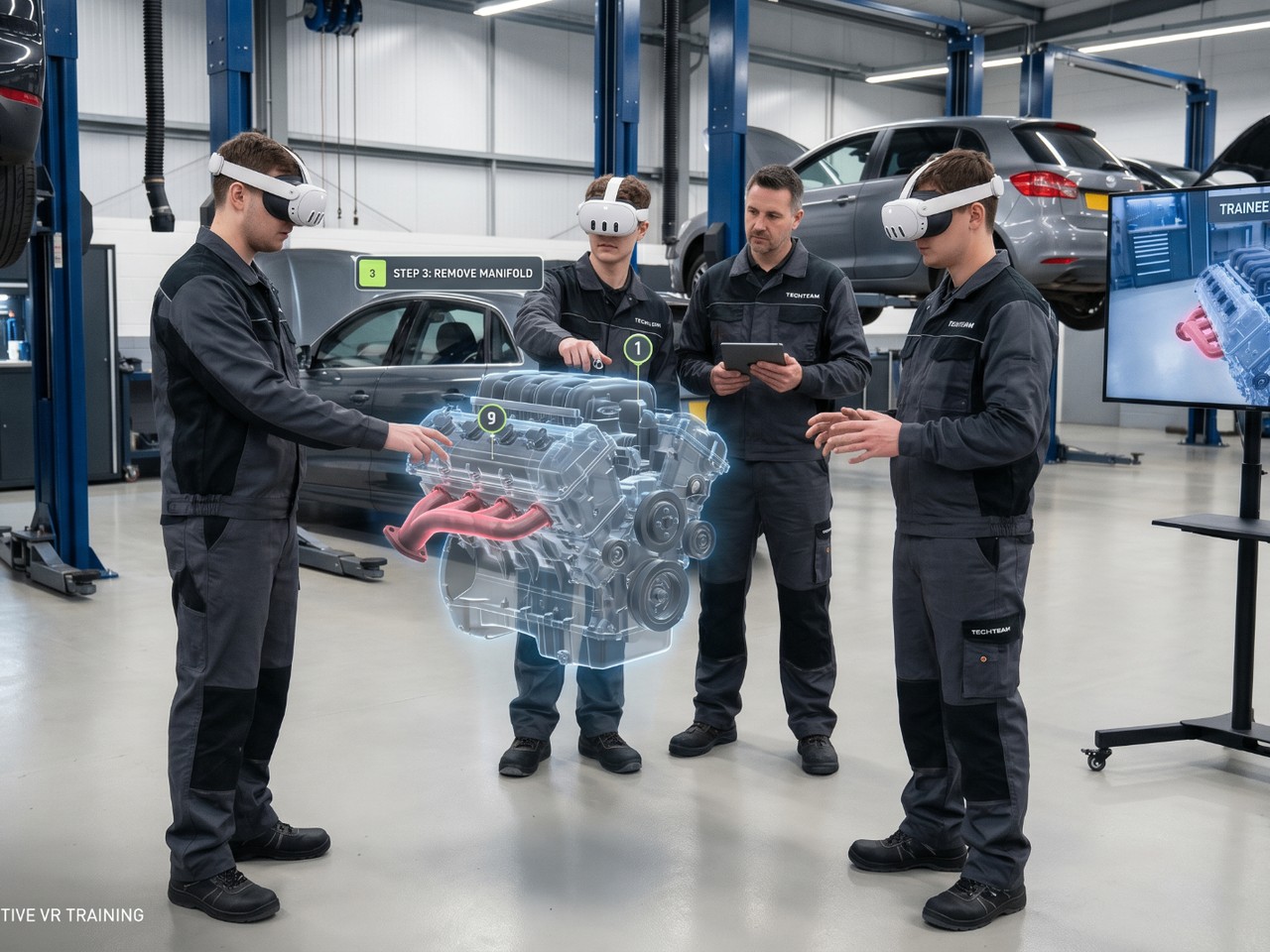
Technical training simulations

Learn by doing, without the trainer, the classroom, or the travel.

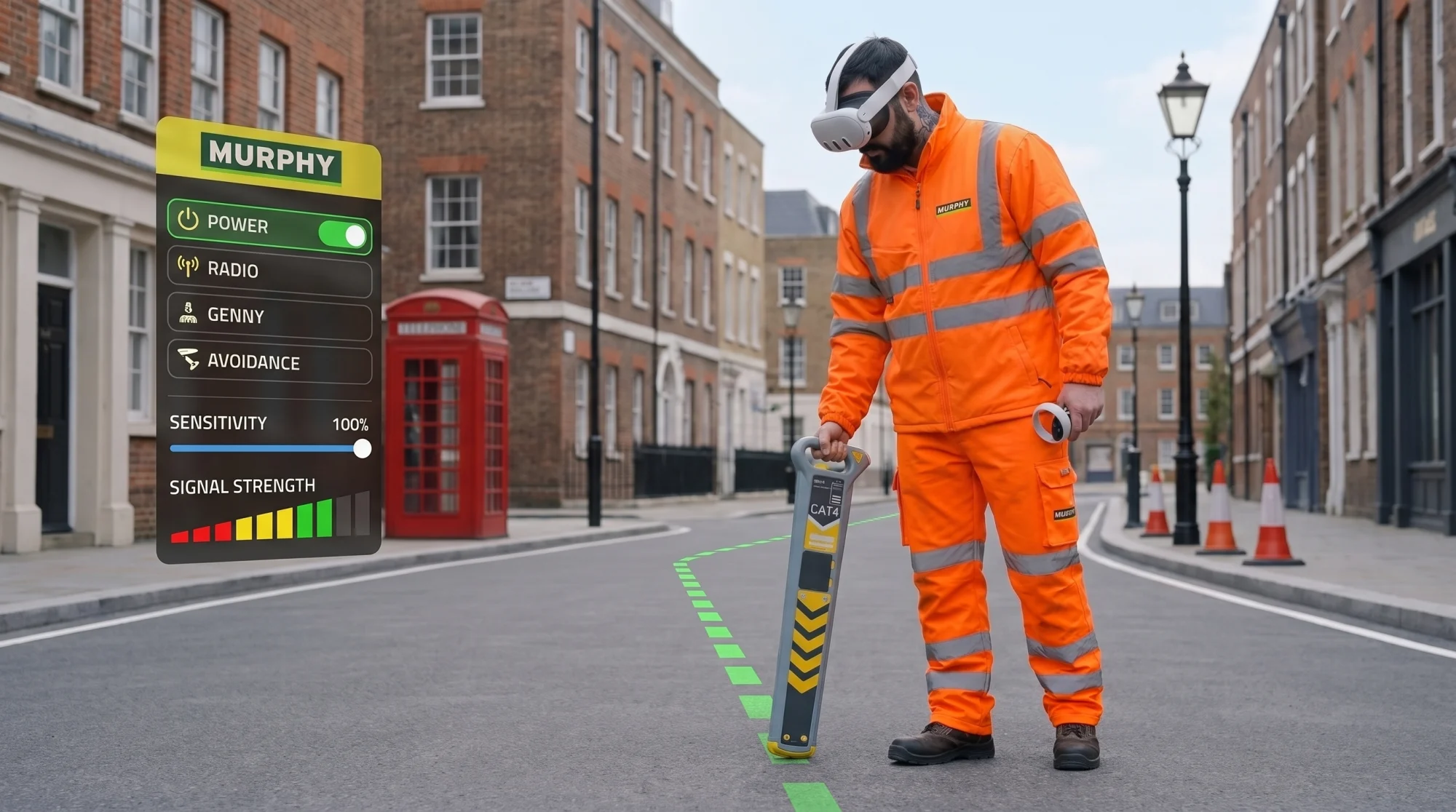
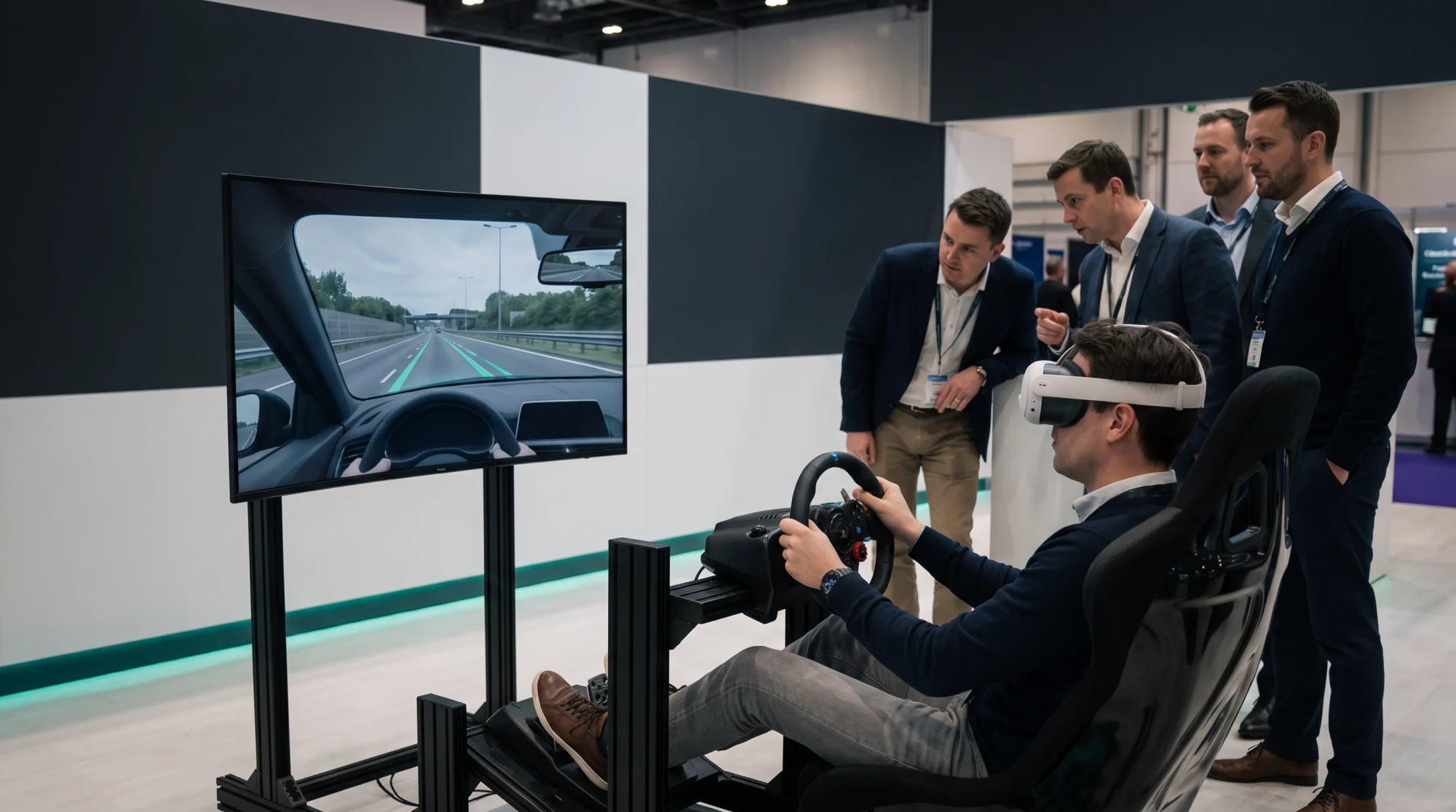
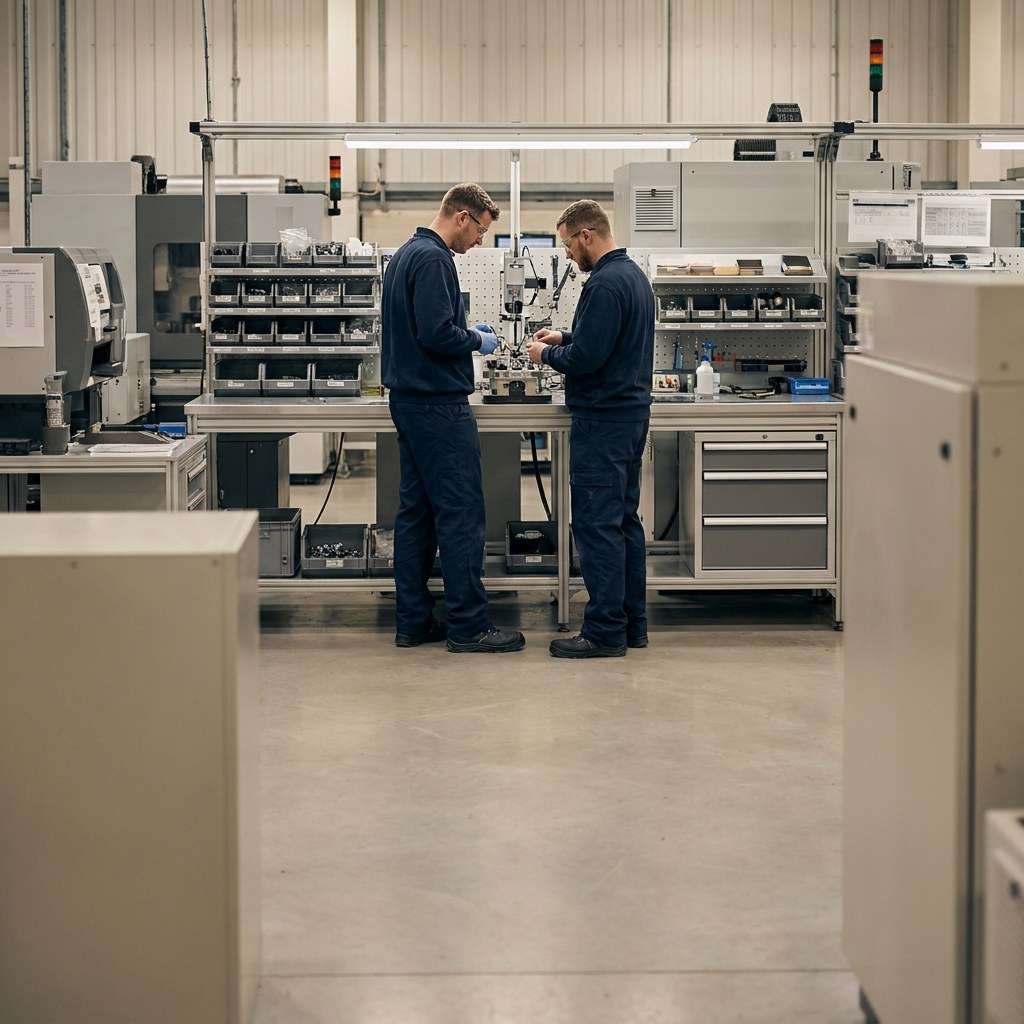
Some tasks can't be learned from a manual, and shouldn't be learned on live equipment. We rebuild the task in simulation so people can do it, get it wrong safely, and go again until it's second nature. One consistent scenario across your whole workforce, on headset, desktop, or tablet, with every attempt tracked in your LMS. And when your most experienced people retire, what they knew stays in the building.

Who it's for

Service technicians, plant operators, engineering apprentices.

What we measure

First-time fix rate, error rate, time to competency.

AI-driven scenario practice

Practise the conversation as often as you need. No actors, no script, no scheduling.

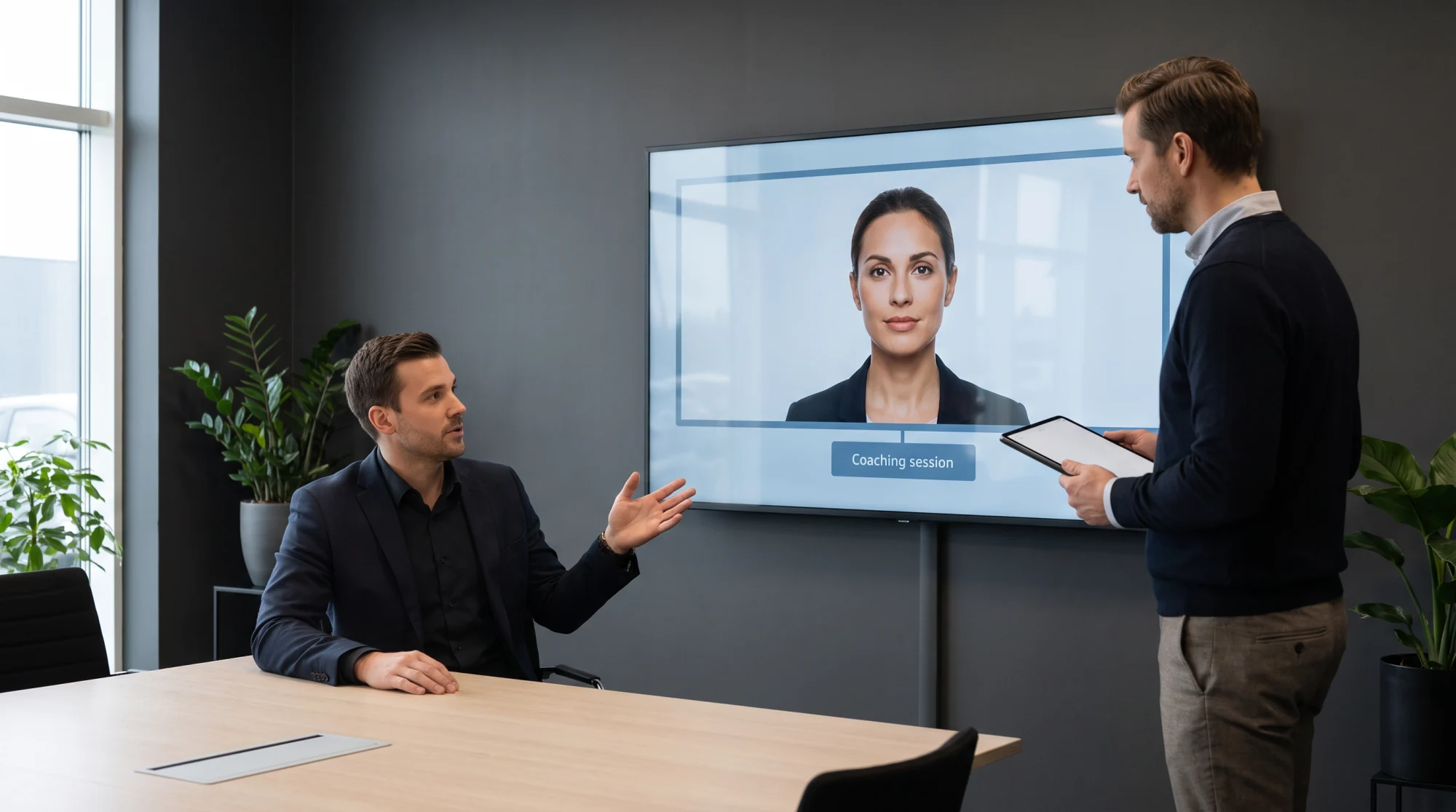
Difficult conversations take practice, and role-playing with a colleague only gets you so far. Our AI scenarios give people a partner that never tires, never repeats itself, and never judges. Each conversation is captured, gaps show up in the data, and the next session targets them. Managers watch it all move in the dashboard.

Who it's for

Sales teams, customer-facing staff, leaders preparing for hard conversations.

What we measure

Decision quality, conversation flow, behaviour change against baseline.

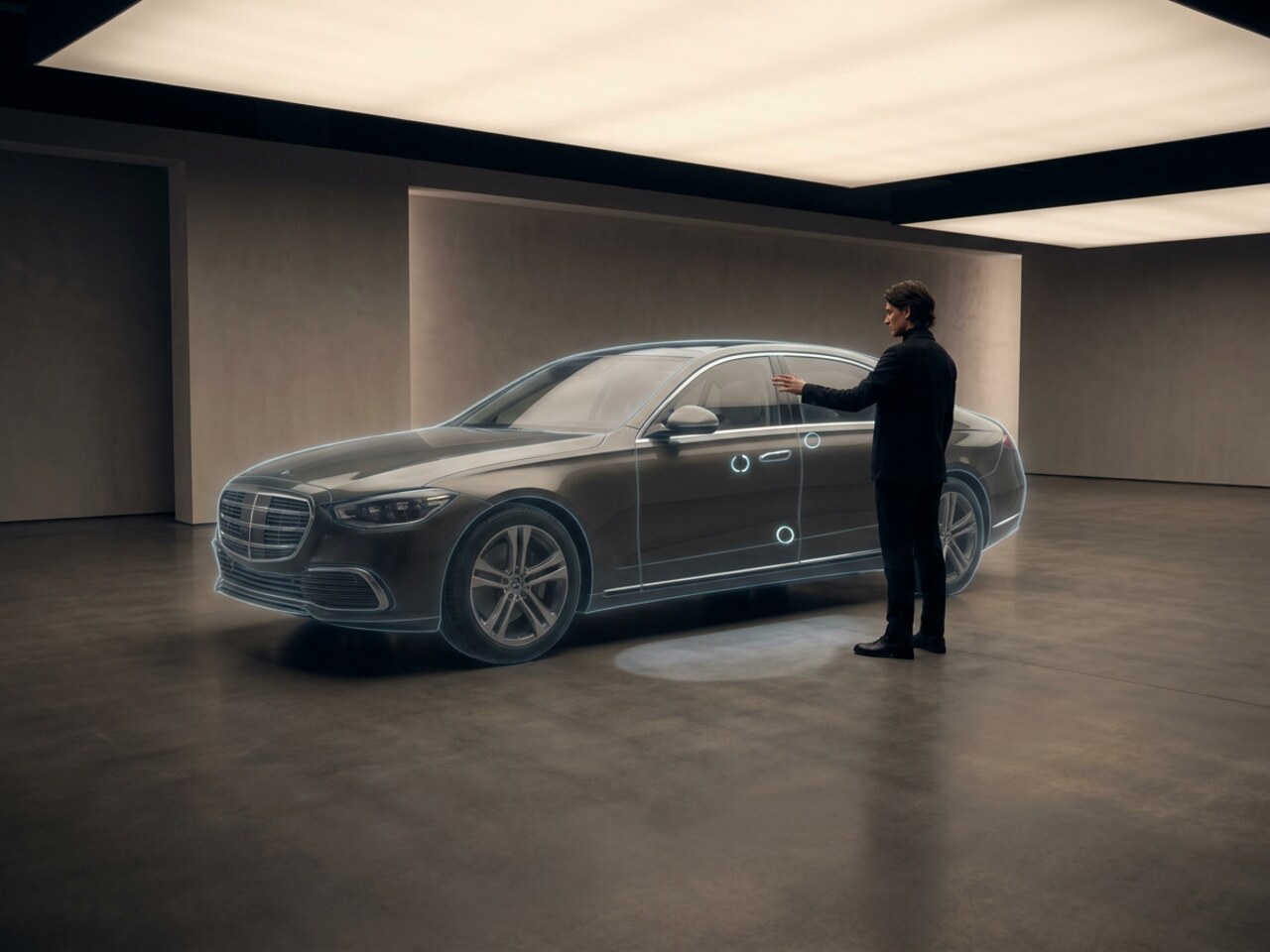
Product training in AR and mixed reality

The product in the room, not on a page. Explore it, look inside it, understand it in context.

A diagram tells you about a product. Standing next to it teaches you the product. We render it life-size in the room, so people can walk around it, open it up, and understand how it works in context. It runs on the tablet already in their bag, and it scales to a whole dealer network overnight.

Who it's for

Technicians, engineering teams, retail and dealer staff, sales teams pre-launch.

What we measure

Product confidence, technician error rate after training.

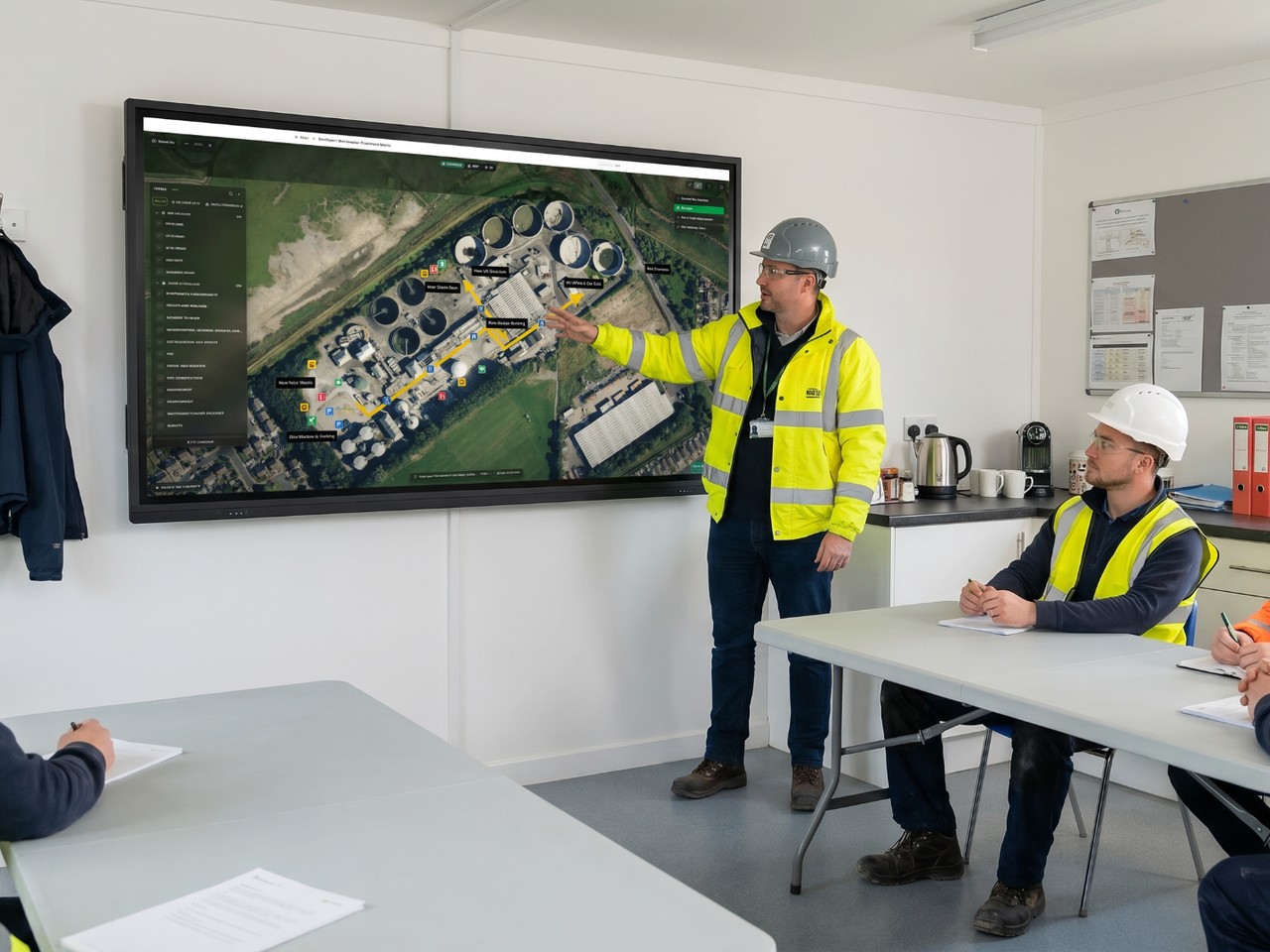
Interactive environment walkthroughs

Know the space before you're standing in it.

The first hour on an unfamiliar site is the riskiest. We capture the real place with drone and 360 photography, rebuild it as a walkthrough, and layer in what the induction pack can't show: the hazards, the layout, the things you'd only know by being there. People arrive already knowing the ground.

Who it's for

Operatives, visiting contractors, plant crews, teams opening a new site.

What we measure

Completion, knowledge-check pass rate, time to first task.

Safety and hazard recognition

Drill the dangerous moments safely. Different every time, so the recognition is real.

Spotting danger is a skill, and skills need repetitions. We put people into scenarios where the hazard is real enough to matter and safe enough to fail, then change it every run, so they're building recognition, not memorising an answer.

Who it's for

Trackside crews, energy operators, working-at-height teams, fire response leads.

What we measure

Hazard pass rate, decision time under pressure, near-miss reduction.

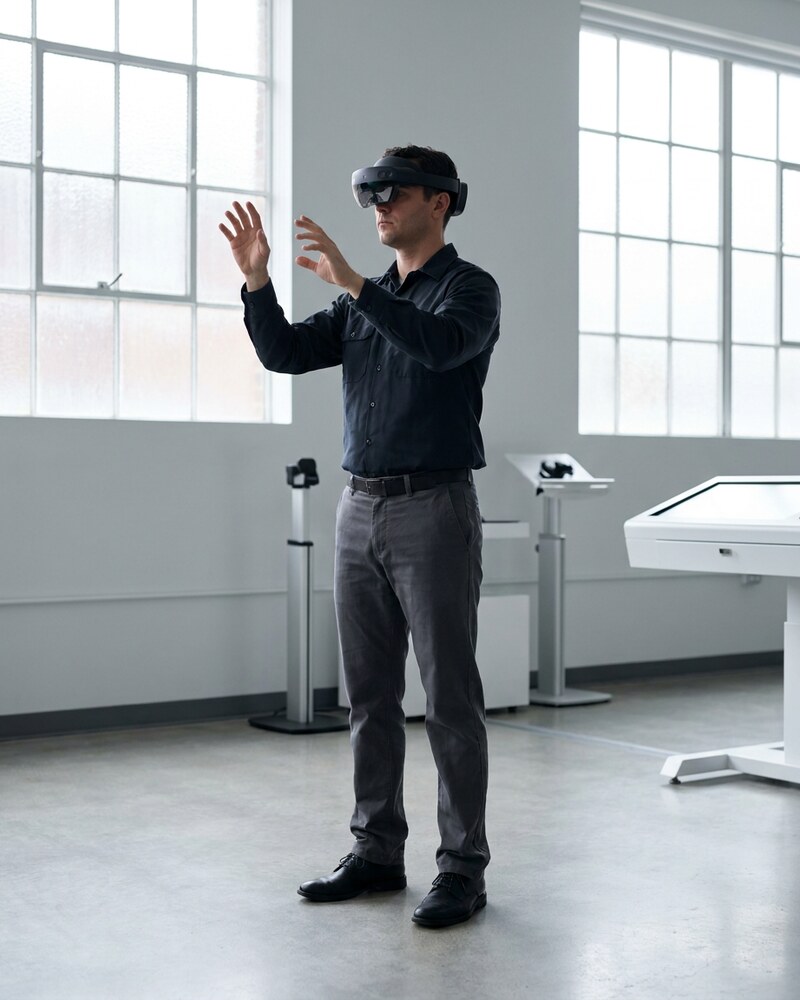
Technician in a Quest headset working through a repair simulation in a workshop.
Learner running an AI-led conversational scenario at a desk in low light.
Mixed-reality view of a product rendered at life size in a quiet studio.
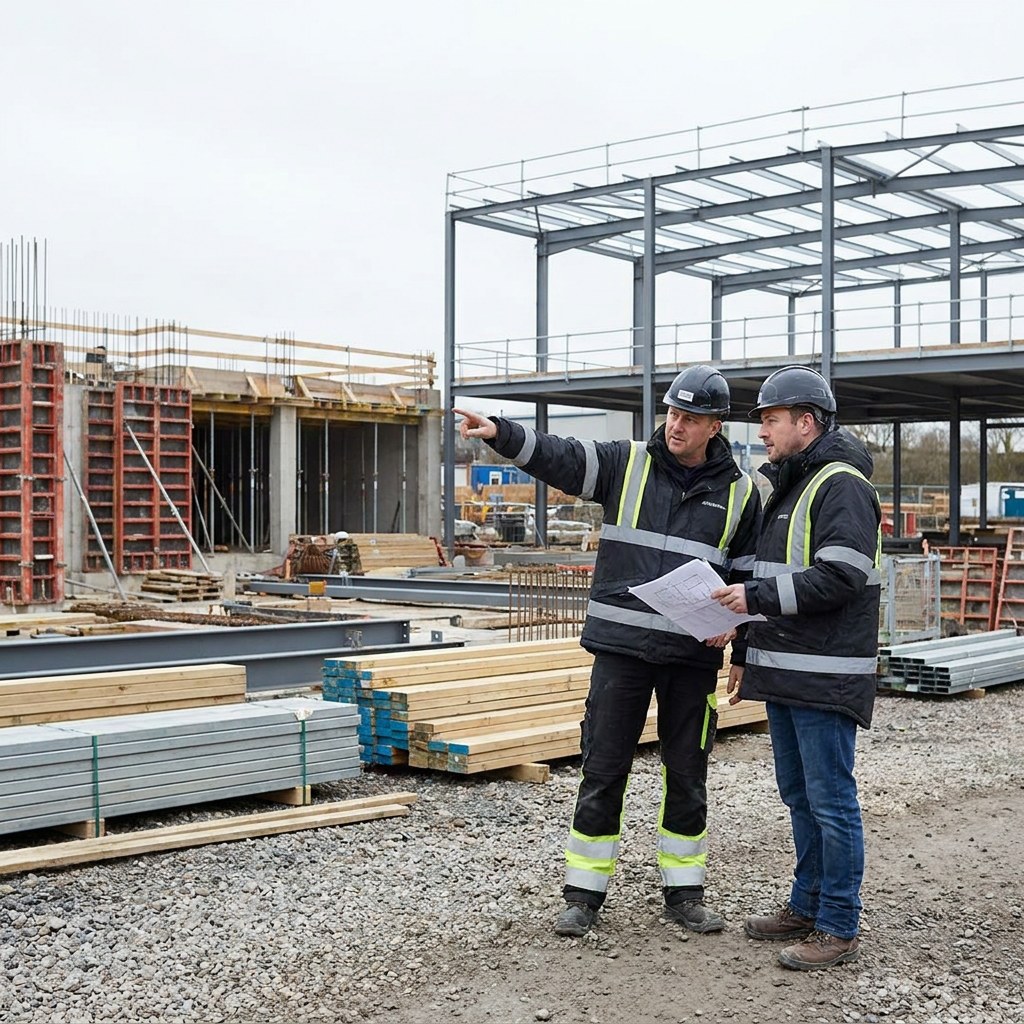
Photoreal 3D site induction shown on a tablet on a construction welfare desk.
Hazard-recognition scenario in a low-light depot, warm tungsten rim light.
In practice

Built with the teams who use them
Measuring impact

We design measurement into the training, not onto it afterwards. At the Stellantis Performance Academy, every VR attempt feeds the academy's LMS through xAPI. Toyota GB sees who has explored its assessment workshop and how, and Hyundai tracks every advisor's certification progress on a live dashboard.

Questions we're often asked

What is immersive training?

Training people do rather than watch: VR simulations, mixed reality, interactive 3D, and e-learning, built around your real equipment, sites, and procedures.

Which VR headsets do you use?

Mostly Meta Quest 3, as in our work for Stellantis, Belron, and Murphy Group. Many projects also run on tablets, laptops, or the web.

Can VR training connect to our LMS?

Yes. The Stellantis Performance Academy's VR training records every attempt in its LMS through xAPI, and Sky's vehicle health check module is SCORM-packaged for Sky's LMS.

Does everyone need a headset?

No. Toyota GB's workshop familiarisation runs in VR, on iPad and Android tablets, and at an AR workbench. In its pilot, tablet users reported almost as much benefit as those in VR.

How much does immersive training cost?

It depends mostly on the content, not the hardware. Our guide, What VR training actually costs, sets out typical ranges and what drives them.

Let's talk

A training brief that doesn't fit the off-the-shelf options? Good

Tell us the moment you need your people ready for. We'll come back within 24 hours.

Prefer email? hello@boundlessimmersive.com