40.1 million
working days are lost to work-related ill health and injury in Britain every year.
HSE, 2024/25

We build the fire drills, hazard scenarios, and high-risk training where people can make the dangerous mistake safely, learn from it, and prove they're ready. Across every kind of workplace, with the results in your LMS.
Every workplace is different, but the problem underneath is the same: people have to be ready for the moment something goes wrong, and you cannot safely rehearse the worst moments on the job.
So most safety training settles for the slideshow and the annual walk to the car park, and hopes it holds when it matters. We build the experiences that let people practise the dangerous thing safely, fire, high-risk tasks, the split-second judgement, until they are genuinely ready, and we send the proof back to your systems. Whatever the sector.
working days are lost to work-related ill health and injury in Britain every year.
workplace fires break out in non-residential buildings in Britain every year, from factories and warehouses to offices, shops, and hotels.


Safety is learned by doing, not by reading. Here is where we help, and the problem we are solving in each place.
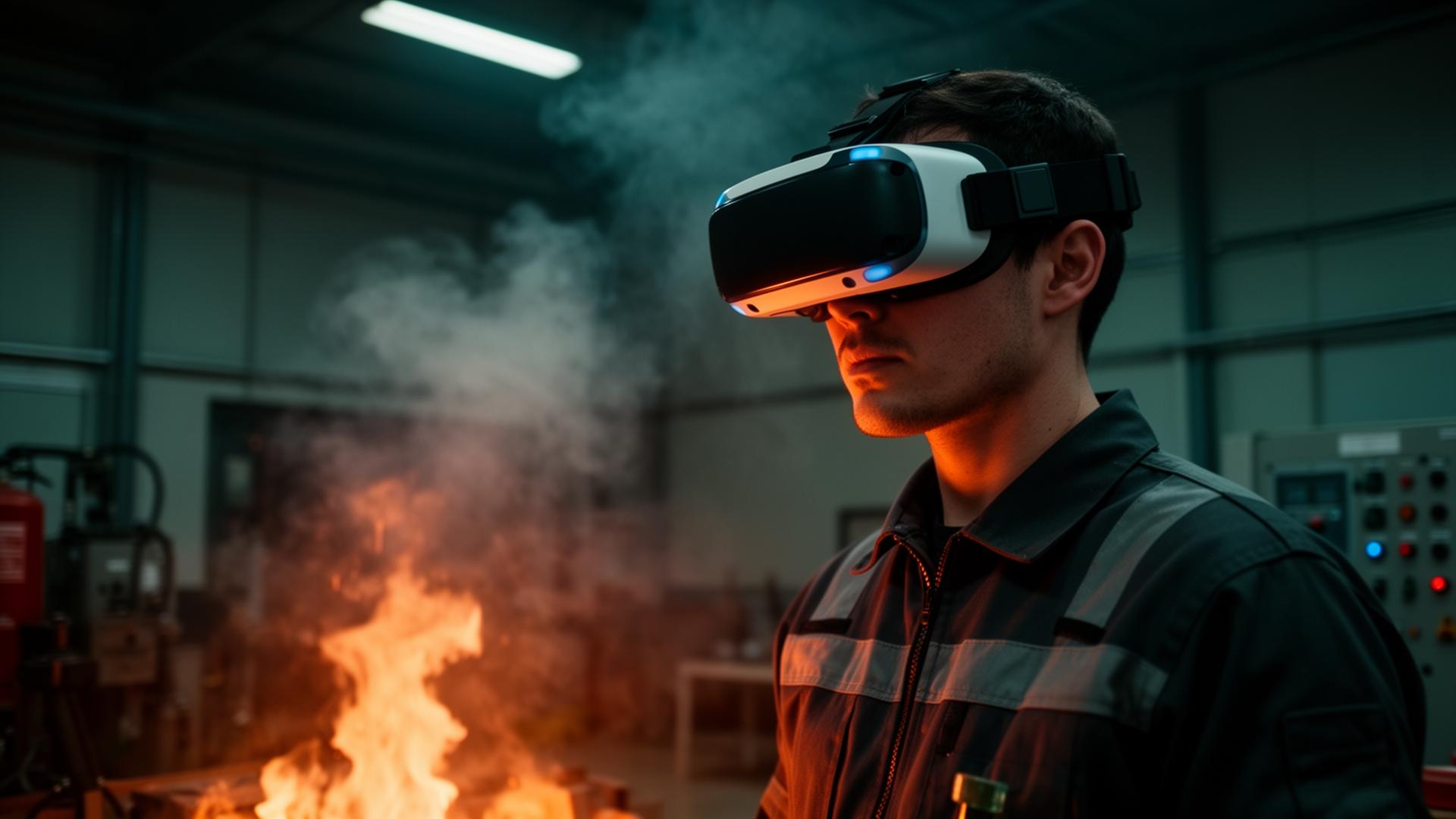
Fire training is usually a slideshow and a yearly walk to the assembly point. When the alarm actually sounds, people freeze, forget the route, or reach for an extinguisher they have never once held. You cannot light a real fire to teach them, so the most important training stays theoretical.
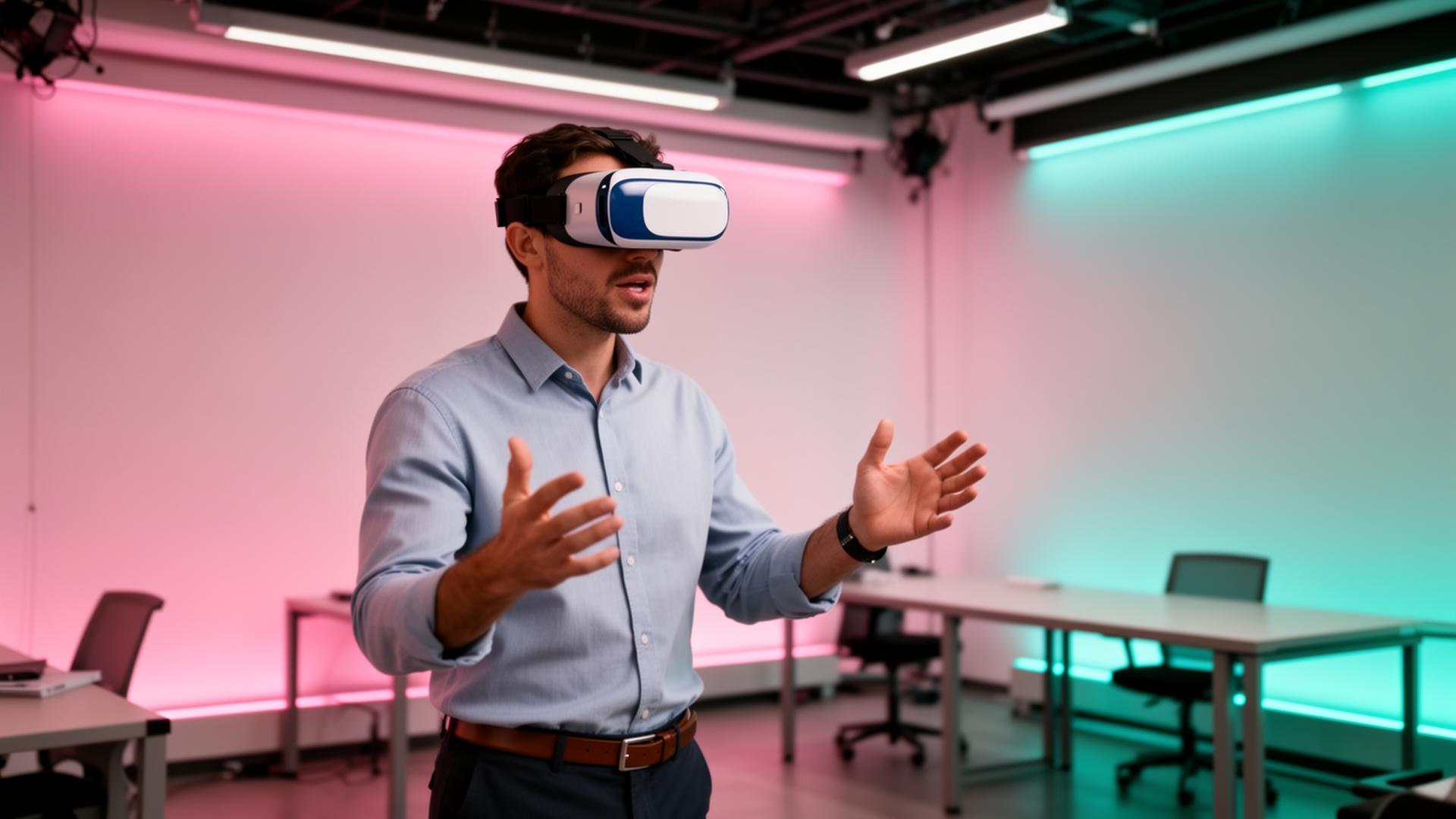
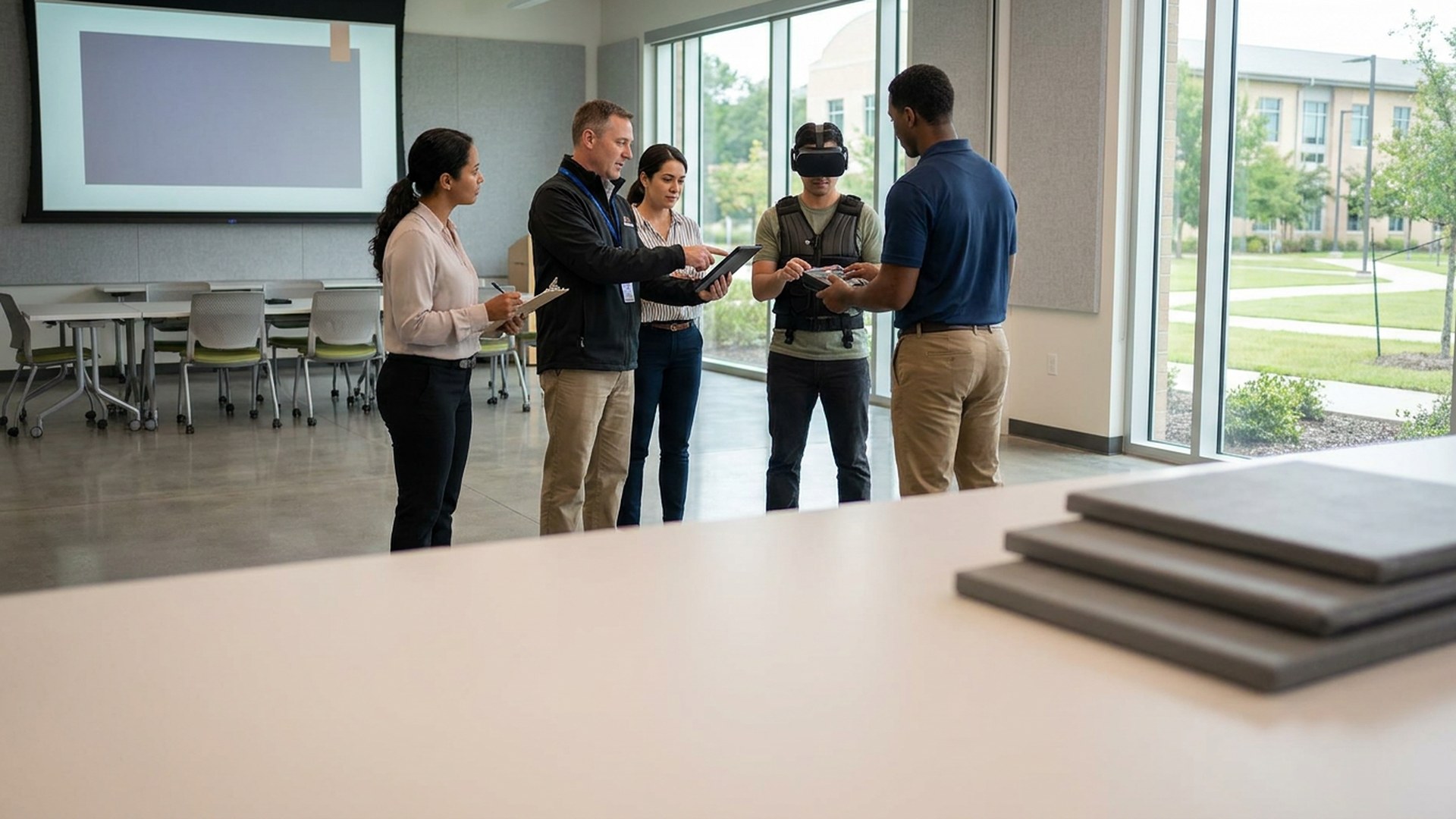
We build VR fire and emergency training where people face a realistic fire, evacuate under pressure, and use the right extinguisher on the right type of fire, as many times as it takes, with no real danger. Every attempt is scored, and the results pass straight to your LMS, so you can prove competence rather than just attendance. It is the work behind our fire training for THG Labs, Premier Inn, and the National Fire Chiefs Council.
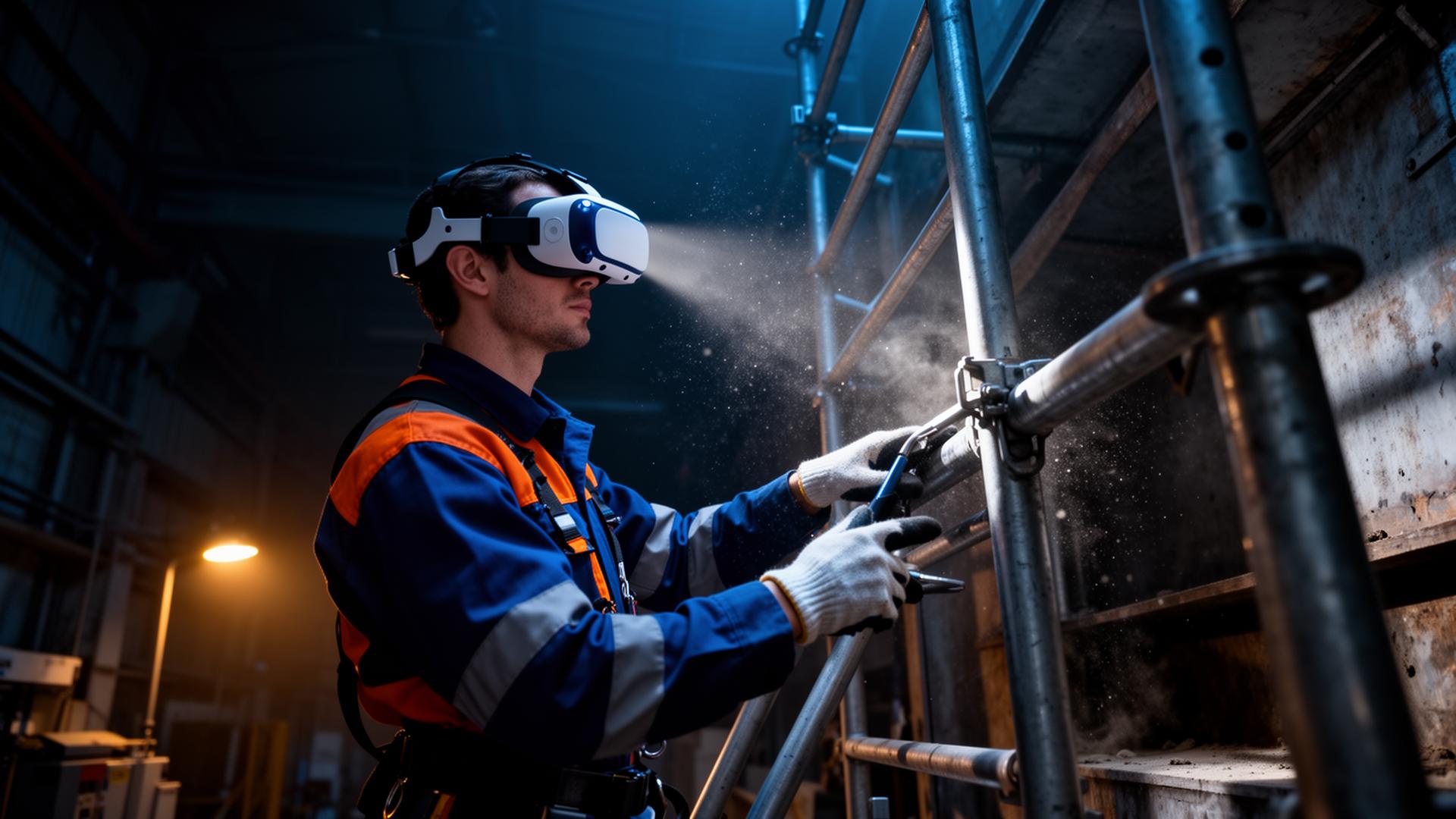
The most dangerous tasks are the ones people can least afford to practise on the job: confined spaces, working at height, electrical isolation, moving machinery. Traditional training teaches the theory in a room and hopes it holds the first time someone faces the real thing.
We put people inside the high-risk task in VR, where a wrong move teaches a lesson instead of causing an injury. They build the judgement and the muscle memory in a controlled, repeatable environment, so the first time they do it for real is not the first time they have done it at all.
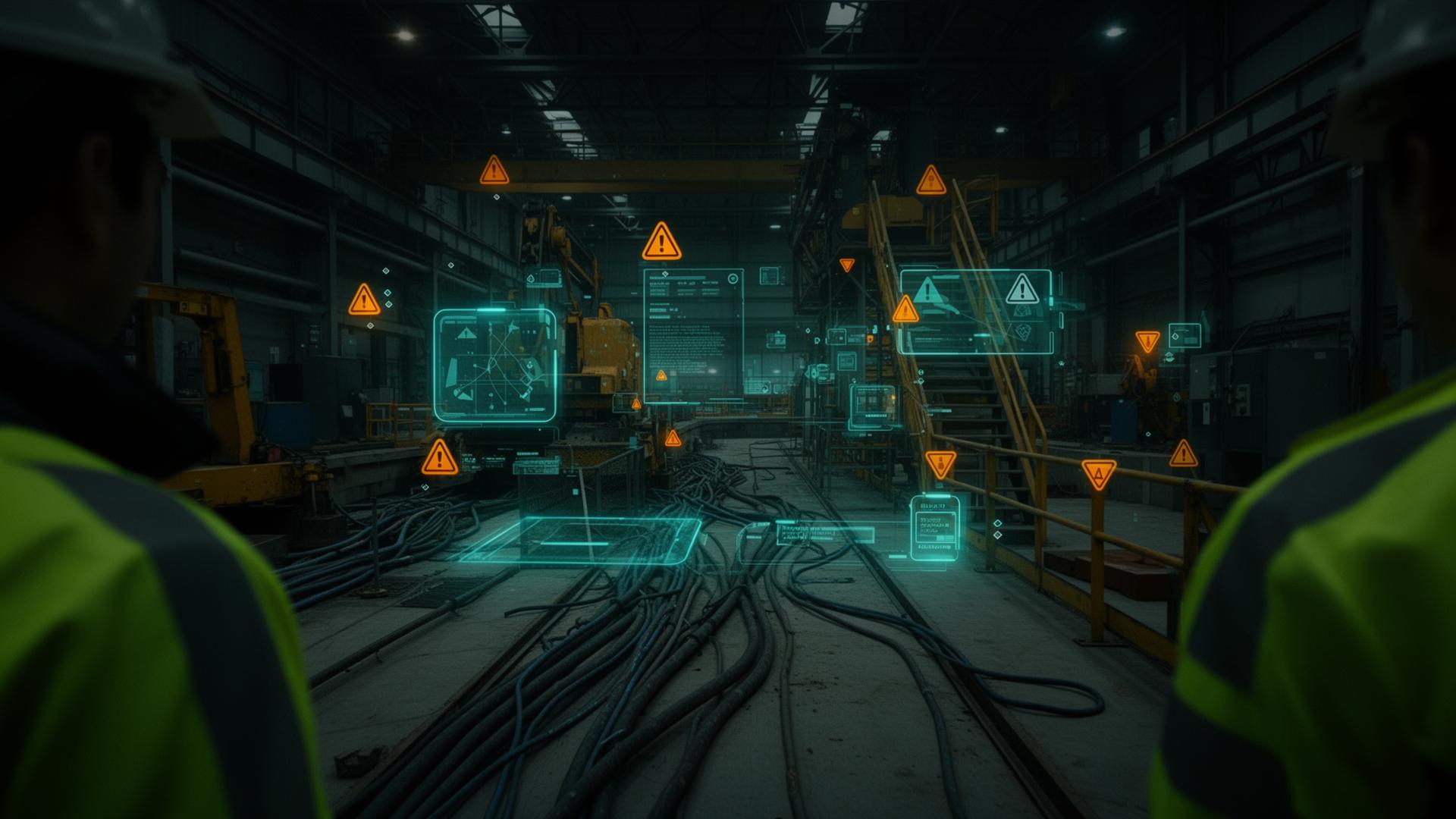
Most incidents come down to a hazard someone did not spot or a shortcut someone took under pressure. Knowing the rules and behaving safely in the moment are different things, and a poster in the break room does not close the gap.
We build hazard perception experiences, AR apps and 360 video, that drop people into a real environment and test the call they would actually make. It trains safety judgement, practised, rather than safety rules, recited, and it shows you where the real risks in your workforce's behaviour sit.
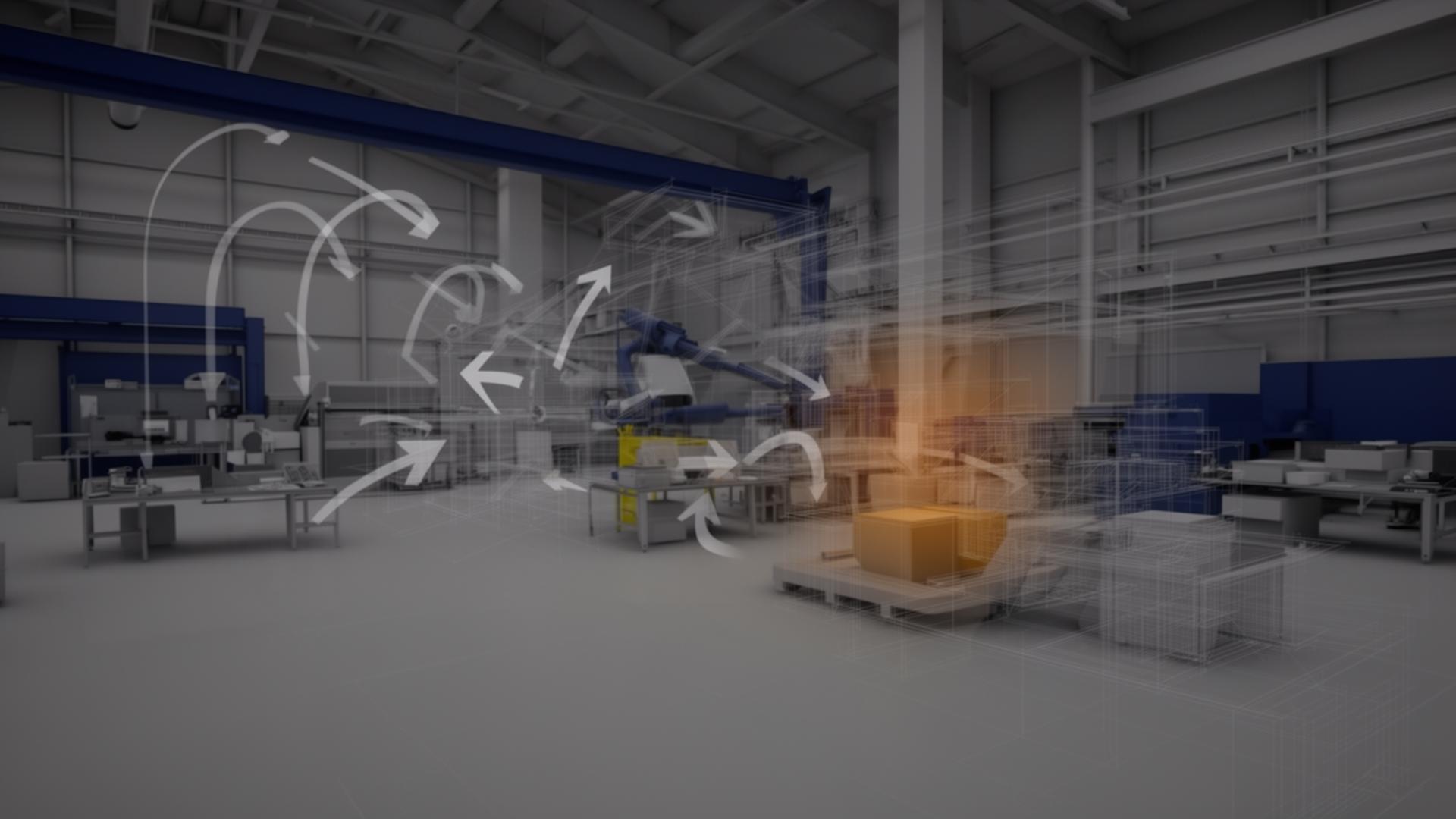
When something goes wrong, the lesson is too often lost in a dry report nobody reads, or softened because no one wants to point fingers. The next person on the next shift makes the same mistake.
We reconstruct what happened as a clear, blame-free animation that shows exactly how an incident unfolded and how to stop it happening again. It travels well, toolbox talks, briefings, the board pack, and it stays with people in a way a paragraph of text never does.
An induction is the first safety message someone gets, and sometimes the only one. Too often it is a PDF or a video watched on mute, and people arrive on a site, in a workshop, or on a campus without really knowing the risks around them.
Induct360 turns the induction into an interactive walk through the actual place, blending 3D and 360 capture with the safety content that matters there. It is web-based, app-free, mobile, and multilingual, with completion tracked for compliance, so everyone arrives already knowing where the dangers are.
Safety and quality standards live in PDFs that nobody opens and everybody is meant to follow. A static document cannot show what "right" actually looks like, and it cannot tell you who has read it or understood it.
Visual Standards replaces the PDF with photoreal, interactive 3D scenes of the real standard, with knowledge checks, sign-off, and analytics built in. People see exactly what good looks like, and you can see who has engaged with it, where the gaps are, and prove it when it counts.
The hardest part of safety is often a conversation: challenging an unsafe shortcut, reporting a concern, running a briefing that lands. People avoid these moments because they have never had a safe place to practise them.
We build AI avatar training where people rehearse those conversations with a realistic character that responds and pushes back, as many times as they like, with a dashboard showing how they are progressing. It is how we built the speed awareness and safety training for Sky and Unipart.
Book a discovery call, email us, or leave your address and we'll come to you.
Prefer email? hello@boundlessimmersive.com