
Workplace fires remain a major risk, costing businesses millions each year in damages, lost productivity, and - most importantly - the potential loss of life.
Immersive technologies such as Virtual Reality (VR), Augmented Reality (AR), mixed reality, and 360° video now make it possible to step inside realistic, interactive fire scenarios - without ever facing real danger.
Why immersion changes the outcome
Our brains are wired to remember experiences, not lectures. By simulating the sights, sounds, and even the decision-making pressures of an actual fire, immersive training helps participants retain knowledge and build muscle memory far more effectively than a slide deck or a short video.
Studies have shown that learners trained in VR can be up to 275% more confident in applying their skills compared to traditional methods.
Realistic, context-specific scenarios
Immersive environments can be tailored to replicate the spaces and hazards of specific industries:
- An industrial plant can practise evacuations in a lifelike replica of its production floor.
- A hospital can rehearse patient evacuation in smoke-filled corridors.
- An offshore rig can prepare for engine-room fires with multi-user coordination drills.
This level of context not only makes the training more relevant - it makes it more engaging and effective.
Key applications for immersive fire safety training
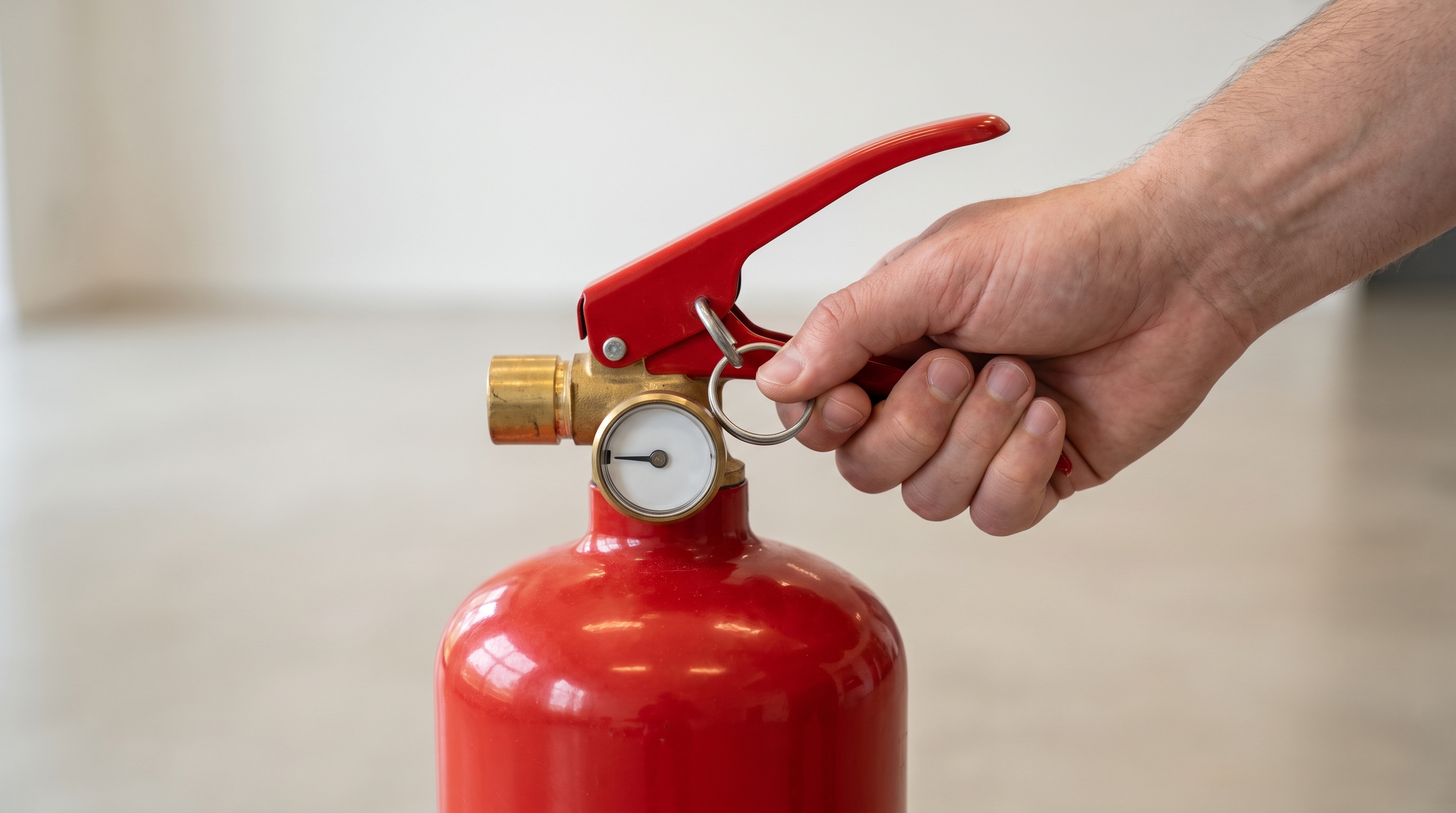
Fire extinguisher use. A safe, repeatable way to practise the P.A.S.S. method with different extinguisher types and fire classes. VR can simulate escalating fires and show the real-time consequences of incorrect actions.
Evacuation procedures. From high-rise offices to underground facilities, participants can navigate escape routes, avoid hazards, and make quick decisions under time pressure. Multiplayer functionality allows teams to coordinate as they would in a real evacuation.
Hazard perception. Spotting blocked exits, faulty wiring, or fuel sources before they escalate. Some programmes build in “hidden” hazards to encourage observational skills and proactive safety behaviours.
Incident command. For supervisors and fire wardens, branching scenarios challenge leadership, delegation, and communication during unfolding incidents.
Gamification and multiplayer for higher engagement
Adding elements like scoring, rewards, and difficulty levels transforms fire safety from a compliance exercise into an active challenge. Multiplayer modes enable teams to work together in real time, mirroring the need for clear communication and collaboration in actual emergencies.
One organisation reported a 40% increase in voluntary refresher sessions after introducing gamified safety challenges.
Who’s using it?
Immersive fire safety training is now being adopted across:
- Manufacturing and logistics
- Oil, gas, and energy
- Healthcare
- Transport and aviation
- Hospitality and leisure
- Education and public services
These sectors share the need for consistent, effective, and safe training that can be repeated without disrupting operations or risking lives.
The broader business value
- Fewer incidents through improved hazard awareness
- Faster emergency response thanks to rehearsed procedures
- Consistency in training across sites and teams
- Cost savings from reduced downtime and eliminating consumables in drills
- Performance data to identify training needs and strengths
In a real fire, there’s no room for error. Immersive training gives people the chance to practise, fail safely, learn, and try again - until the right responses become second nature.