Boundless
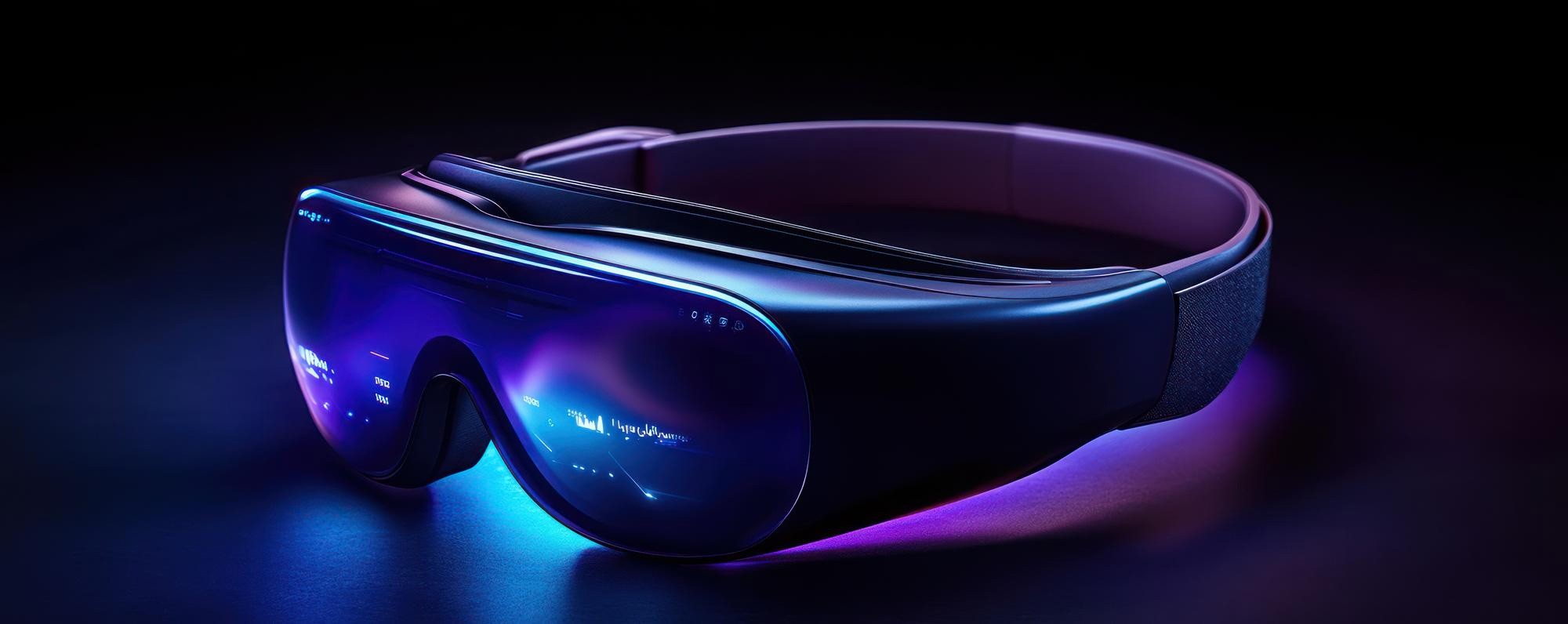
The ByteDance headset offloads processing to a pocket-sized puck. A shift away from the all-in-one format: no one wants to wear a hot, heavy computer for hours.
ByteDance’s Lightweight MR Goggles - A Step Towards Practical Mixed Reality
ByteDance is making a notable move in the MR space through its Pico division, with a lightweight, tethered headset codenamed Swan. It’s not just another entry into the hardware race - it’s a signal that comfort and usability are finally getting the attention they deserve.
Performance Backed by Experience
Latency is a deal-breaker in mixed reality, and ByteDance knows it. Leveraging their background in real-time video delivery (via TikTok), they’ve developed custom chips aimed at reducing sensor lag. The goal is clear - create an experience that feels natural, not compromised.
Tethering as a Strategic Choice
The puck isn’t just about keeping the headset light. It also enables:
Better heat management
Larger batteries and more powerful chips
A more balanced and wearable headset
It’s a trade-off that makes sense, especially in enterprise and training contexts where long sessions are the norm.
Positioning Against Apple and Meta
While Apple focuses on high-end fidelity and Meta continues to broaden access, ByteDance is targeting a gap between the two - prioritising wearability without giving up on performance. That opens up new possibilities in sectors like health and safety, live events, and remote collaboration, where practical comfort matters more than top-tier graphics.
What We’ll Be Watching
From our perspective, success will depend on three things:
Maintaining high enough visual fidelity for professional use
Ensuring the computing puck integrates seamlessly into workflows
Supporting open platforms and tooling
ByteDance’s hardware direction is promising. If execution matches intent, Swan could represent a meaningful shift in how MR is used at scale.